
Why Forgetting Moves Happens to Every Grappler
Walking out to your car after an evening session and blanking on the sweep you just drilled is completely normal. For dedicated students in Greystone, AL, figuring out how to remember BJJ techniques turns early frustration into steady, predictable progress.
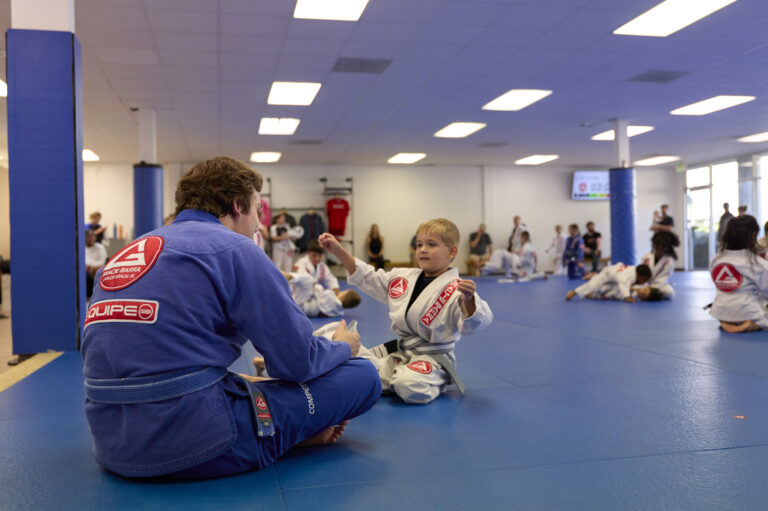
Brazilian Jiu-Jitsu asks your brain to coordinate grips, hip angles, and timing all at once. At Gracie Barra Greystone, our structured classes give beginners a clear, repeatable system so new movements stick long after you leave the mats.
DISCOVER GRACIE BARRA GREYSTONE
CLICK HEREActive Learning Habits During Class
Memory retention starts long before the final bow at the end of practice. How you observe demonstrations and structure your drilling minutes determines how much detail actually transfers into long-term muscle memory.
Focusing on Concepts Instead of Isolated Steps
Trying to memorize ten tiny mechanical steps in order usually overwhelms your working memory during live movement. Instead, pay attention to the underlying goal of the position, such as controlling your partner’s posture or blocking a posting leg.
When you understand why a move works, your body can naturally reconstruct the details under pressure. Developing this conceptual awareness builds sharper physical focus that helps both adults and kids retain core fundamentals faster.
Asking Targeted Questions About Grips and Weight
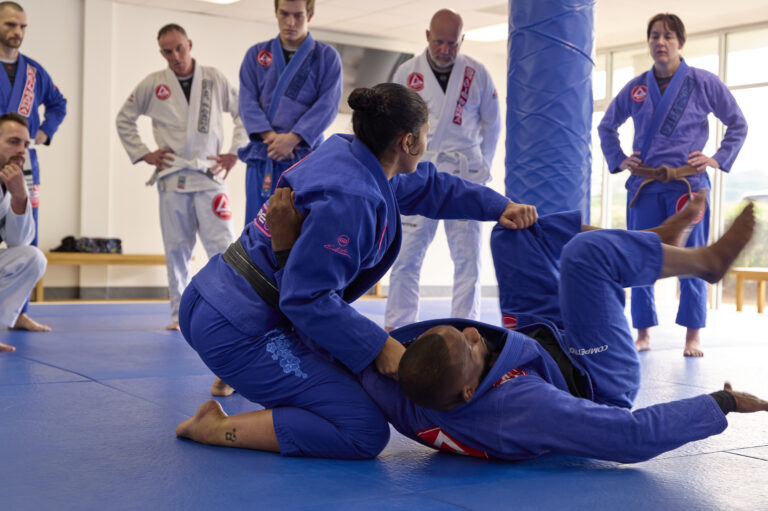
Passive watching rarely translates into clean execution when you pair up with a partner. Notice where the instructor places their head, which hand establishes the primary grip, and where their chest weight settles during transitions.
If a sequence feels awkward during drilling, ask a specific question about leverage or foot placement right away. Clearing up one small mechanical confusion prevents you from repeating the wrong habit twenty times in a row.
Slow, Deliberate Drilling Over Rushed Repetitions
Speed hides sloppy posture and teaches your nervous system to skip crucial control checkpoints. Performing ten slow, exact repetitions where you feel every frame and angle builds far stronger neurological pathways than thirty rushed, sloppy attempts.
Treat drilling like practicing a musical scale where accuracy always precedes tempo. Mastering controlled movement reinforces practical self-defense mechanics that stay dependable even when you feel tired or pressured.
Connecting New Moves to Familiar Positions
Isolated techniques fade quickly when they have no anchor in your existing grappling game. Whenever you learn a new escape or pass, ask yourself which familiar position leads directly into it and what comes immediately after.
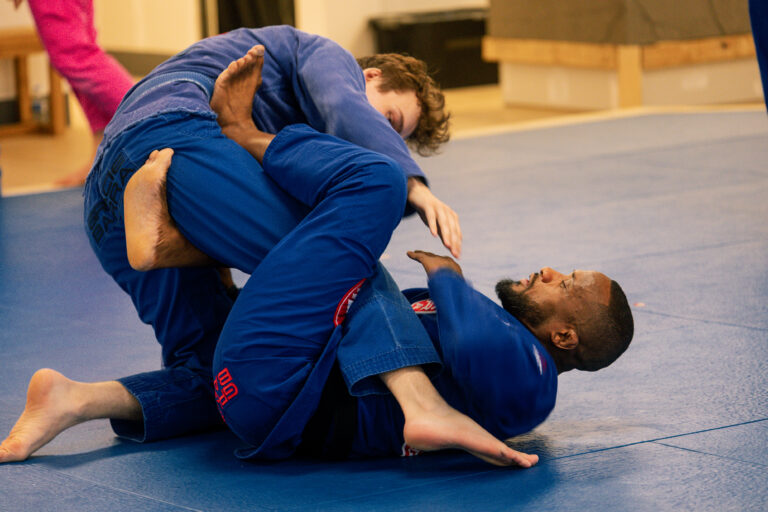
Linking a new scissor sweep to your favorite closed guard posture creates a mental map instead of scattered puzzle pieces. Your brain naturally stores connected sequences much more reliably than standalone tricks.
Post-Class Habits on How to Remember BJJ Techniques
The first twenty minutes after stepping off the mats offer a prime window for consolidating new information. Simple off-the-mat review routines lock fresh concepts into memory before daily distractions push them aside.
Keeping a Simple Jiu-Jitsu Training Journal
Writing down what you practiced in your own words forces your brain to actively retrieve the sequence. Learning how to remember BJJ techniques becomes much easier when you jot down three bullet points in a notebook right after class.
Skip lengthy essays and record only the starting position, two critical grips, and the finishing detail. Reviewing those brief notes before your next session keeps you aligned with our structured belt progression system month after month.
Using Mental Visualization Before Sleep
Closing your eyes for three minutes before bed and mentally walking through a sweep activates the same motor pathways used on the mat. Picture your grips, feel the hip shift, and imagine your partner’s weight tipping cleanly to the side.
Quiet mental rehearsal requires zero mat space and adds zero physical wear to your joints. Repeating this short habit on rest days keeps your technical recall crisp between evening classes.
Teaching or Explaining Sequences to a Partner
Explaining a movement out loud immediately reveals which details you truly grasp and which parts remain fuzzy. Walking a newer teammate through a basic escape during open mat sharpens your own understanding of leverage and timing.
Practitioners who train within family Jiu-Jitsu programs often discuss class techniques together on the drive home. Talking through the day’s lesson turns casual conversation into effortless, lasting skill retention.
Retaining Techniques During Live Sparring
Remembering a move during quiet drilling is only half the battle; recalling it against a resisting partner is where real mastery begins. Structuring your live rounds intentionally bridges the gap between theory and instinct.
Setting One Micro-Goal Per Sparring Round
Stepping into a five-minute roll hoping to remember everything from the past month guarantees mental overload. Choose just one specific objective for each round, such as securing an underhook from half guard or framing early under side control.
Even if your partner passes your guard or taps you out, hitting your single micro-goal counts as a clear technical win. Narrowing your focus helps you master how to remember BJJ techniques under live resistance without freezing up.
Embracing Positional Sparring Over Free Rolling
Free sparring can spend minutes on grip fighting without ever reaching the exact position you studied that evening. Starting rounds directly from closed guard, mount, or back control gives you immediate, repeated exposure to the day’s lesson.
Resetting the moment someone escapes or sweeps packs ten times more relevant decision-making into a single round. This targeted format rapidly converts conscious thought into automatic defensive and offensive reactions.
Staying Consistent Across Weekly Curriculum Cycles
Spaced repetition is the most reliable tool in human memory science. Attending class two or three times each week ensures you revisit core positions right as your brain starts to fade on the details.
Because our curriculum cycles logically through fundamental positions, every returning week deepens your grasp of earlier lessons. Consistent mat time transforms once-confusing sequences into calm, second-nature habits.
Structured Guidance from Well-Trained Instructors
Trying to piece together random clips online often leaves beginners with conflicting details and bad habits. Learning inside a structured classroom ensures every technique fits together cleanly and respects your current experience level.
At Gracie Barra Greystone, our highly trained coaches break complex sequences into clear, logical checkpoints during every class. Regular feedback from attentive instructors helps you spot small posture adjustments early so you retain clean mechanics from day one.
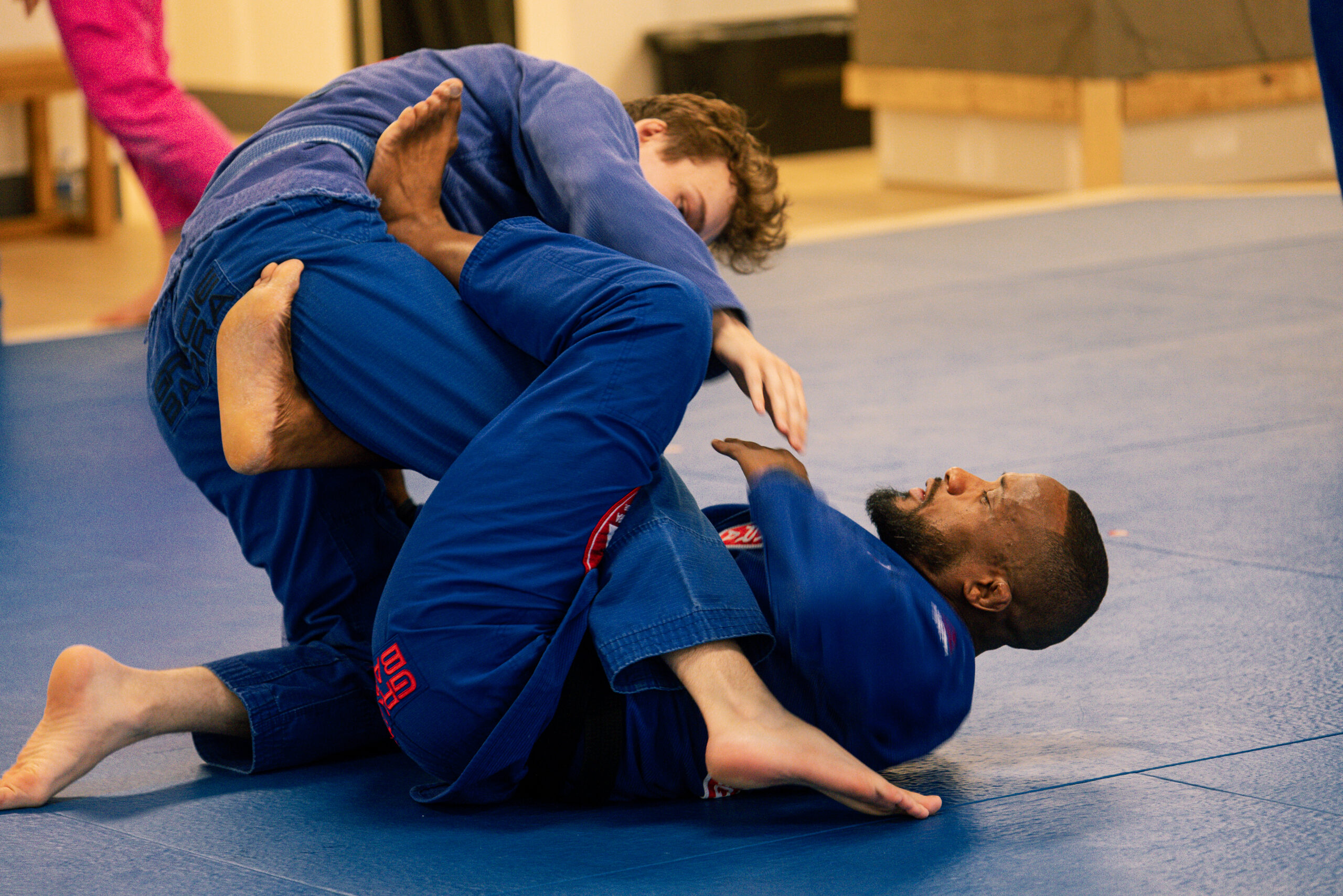
Turning Daily Recall into Instinctive Mat Confidence
Give yourself permission to forget a few details along the way, as every experienced grappler started in the exact same spot. Focus on capturing just one useful detail per class, and those small wins will compound dramatically over a single year.
As your foundational recall solidifies, you can smoothly apply these connected sequences during advanced technical sparring and faster positional exchanges. Patient, repeatable habits always outlast sporadic bursts of intensity.
DISCOVER GRACIE BARRA GREYSTONE
CLICK HEREBuild Lasting Jiu-Jitsu Skills in Greystone
Mastering how to remember BJJ techniques transforms every training session into a rewarding step forward. By focusing on core concepts, jotting down quick post-class notes, and setting clear sparring micro-goals, you build muscle memory that lasts.
We welcome beginners and experienced students across Greystone, AL, Hoover, Chelsea, and Vestavia Hills to experience our structured curriculum firsthand. Connect with Gracie Barra Greystone today and start building lasting confidence on the mats.